Marble AI Visualizer That Sells: Close Faster Online & In-Store
4 Min Read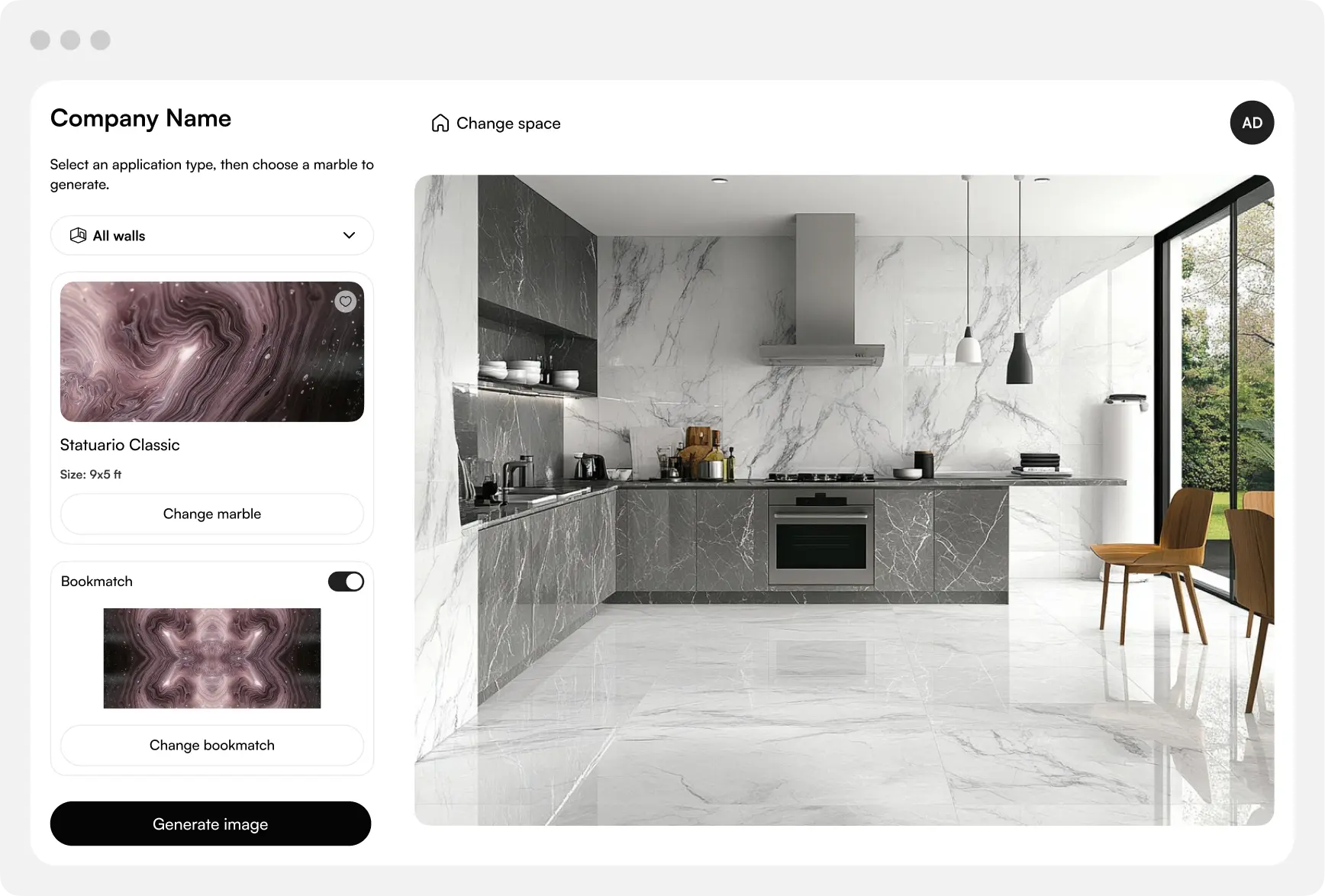
February 11, 2026
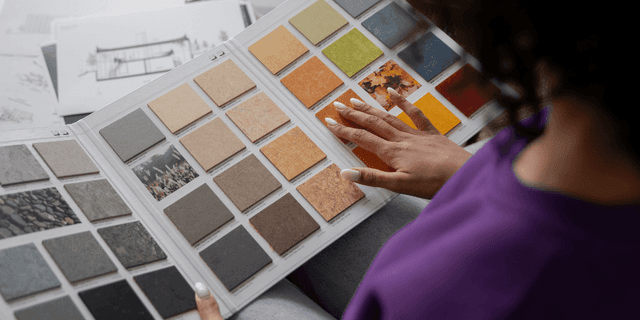
Walk into any marble showroom on a Saturday and you’ll see the same scene: couples pacing between slabs, snapping photos, trying to imagine a five-meter kitchen island from a 2D sample. Online, it’s even worse. Tiny thumbnails, staged lifestyle shots, and a PDF of “available colors” are somehow expected to move a buyer toward a five-figure decision.
This is where a modern marble room visualizer stops being a “nice website feature” and starts becoming the only way to sell with confidence. When buyers can see true-scale slabs, realistic lighting, and vein flow in their actual room layout, the conversation shifts from doubt and delay to clarity and commitment.
The Real Problem: Buyers Can’t See It, So They Don’t Sign
Every marble brand and distributor I’ve worked with hits the same wall: the product is stunning in person, but the buying journey happens long before anyone walks into a warehouse. And in that early stage, most experiences are still flat, generic, and disconnected from reality.
Teams tell me things like, “We lose weeks because clients keep changing colors,” or, “They loved the slab in the yard but hated it installed at home.” That gap between slab and installed reality is where margin and momentum disappear.
Here’s what usually goes wrong without a strong marble visualizer:
- Customers can’t judge scale, so islands feel too busy or too plain once installed.
- Veins don’t align as expected across counters, walls, and floors.
- Lighting in the showroom and lighting at home tell two different stories.
- Sales teams spend hours reworking options instead of closing.
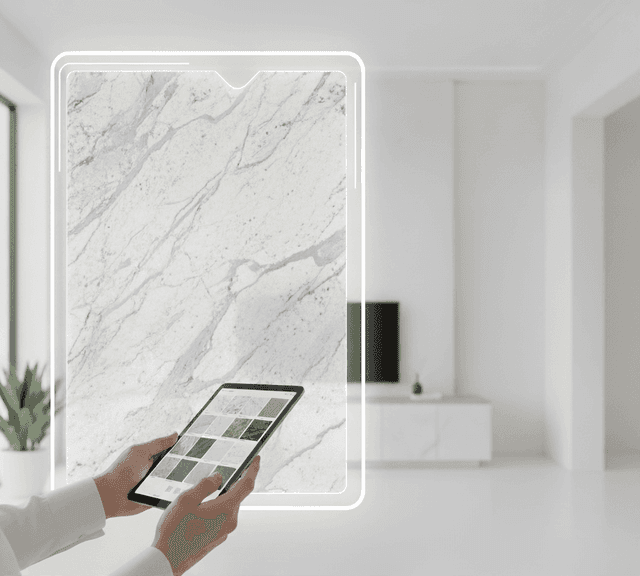
That’s why AI-powered marble visualization isn’t just about pretty renders. It’s about compressing uncertainty. When a buyer can virtually walk around their own kitchen or bathroom with the exact slab, mapped correctly, under realistic lighting, the “I’ll think about it” phase shrinks dramatically.
What a Modern Marble Visualizer Does Differently
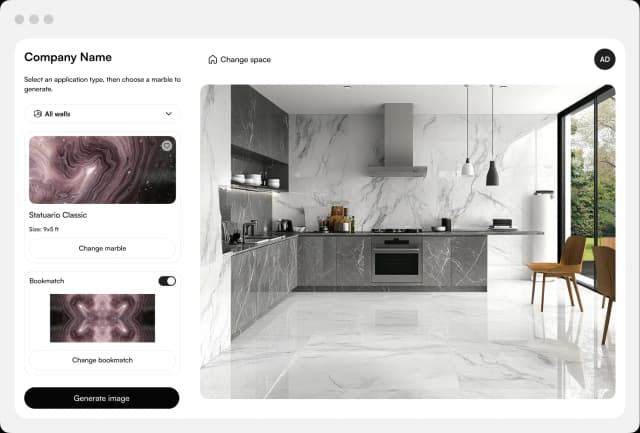
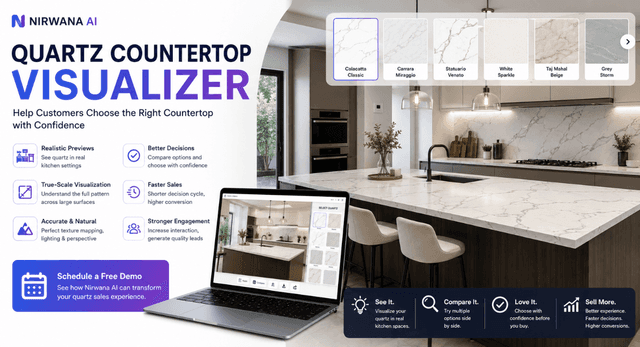
The shift we’re seeing now is from static mockups to intelligent, dynamic visualization. Nirwana’s Marble visualization software is built around that shift: it doesn’t just drop a texture on a surface; it simulates how marble actually behaves in space.
1. True-Scale Slabs, Not Guesswork Textures
Most tools treat marble like wallpaper. Stretch the image, tile it, hope for the best. A serious marble slab visualizer works the other way around: it respects the slab as the hero object.
With Nirwana AI, slabs are rendered at true scale inside a virtual marble slab viewer. When you place that slab into a room, the island, backsplash, and floor are all calculated against the real dimensions of the stone. Buyers instantly see if a bold vein will dominate the room or quietly frame it.
The effect is simple: fewer surprises on installation day, fewer “this isn’t what I expected” calls.
2. Intelligent Vein Alignment Across Surfaces
If you’ve ever done a high-end kitchen, you know vein direction is where projects live or die. A marble wall visualizer that ignores this ends up doing more harm than good.
Nirwana’s engine tracks vein flow across cuts and surfaces. Rotate a slab, extend a counter, wrap it around a waterfall edge—the software recalculates how the veins continue or mirror. Sales reps can show two or three alignment options in minutes, instead of waiting on a designer to mock it up offline.
That level of clarity turns abstract discussions about “movement” into concrete visual decisions. It also protects your brand from bad installs that still carry your name.
3. Lighting That Feels Like Their Actual Space
Marble is a different stone at 8 a.m. than it is at 8 p.m. Showroom spotlights flatten that nuance. A strong marble room visualizer leans into it.
Nirwana AI simulates natural and artificial lighting, so users can toggle between daylight, warm ambient, and task lighting. That greenish undertone they were worried about? They see it. The soft warmth they wanted under pendant lights? They see that too.
When buyers experience the stone under realistic lighting, objections surface early instead of after installation, when they’re expensive.
4. Automated Texture Mapping That Feels Handcrafted
The magic trick is making all of this feel effortless. Under the hood, there’s complex texture mapping, UV alignment, and material calibration. On the surface, it feels like drag, drop, done.
Upload a new marble collection and Nirwana’s AI-powered marble visualization handles the heavy lifting—detecting edges, scaling patterns, and applying the right reflections and depth. No 3D artist on retainer, no two-week wait for updated visuals.
For brands, this means marketing and sales stay in sync. New slabs hit the warehouse and the virtual experience on your site in the same week, not the next quarter.
Why Marble Brands Are Switching to AI Visualization
The business case is pretty blunt: whoever removes doubt faster, wins. A well-implemented marble visualizer doesn’t just look good on a website; it reshapes how teams sell, how customers decide, and how often projects go off track.
Here’s what we’ve seen with teams adopting Nirwana’s Marble visualization software:
- Shorter decision cycles, especially for premium and custom projects.
- Higher attach rates for upgrades like bookmatched walls or waterfall edges.
- Lower post-sale friction, because expectations were aligned visually.
- Salespeople selling with confidence, not caveats.
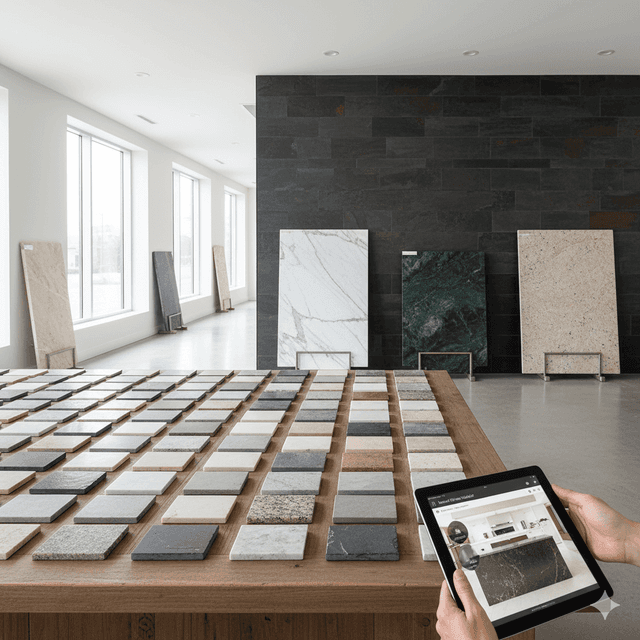
It also scales cleanly. Whether you’re a boutique fabricator or a multi-location distributor, a virtual marble slab viewer creates one consistent experience across website, showroom screens, and even tablets in the field. Everyone is selling from the same visual source of truth.
There’s a sustainability angle too. Fewer physical samples shipped, fewer wasted cuts from “change of heart” decisions, and fewer demo slabs sitting idle because customers couldn’t picture them in context.
Where This Is Heading Next
The next wave isn’t about adding more filters or room presets. It’s about making marble selection feel like a confident collaboration between buyer, designer, and brand—no matter where they are.
AI-powered marble visualization is already doing the heavy lifting: true-scale previews, vein alignment, lighting accuracy, automated mapping. The brands that win the next five years will be the ones that treat this not as a gimmick, but as the core of how they sell stone.
If your team is still relying on PDFs, mood boards, and “trust me, it’ll look great,” you’re asking buyers to make a luxury decision on blind faith. Give them a room, a slab, and a clear view of what they’re actually buying—and watch how much faster they say yes.